

Vandal-Resistant Public Toilet Buildings
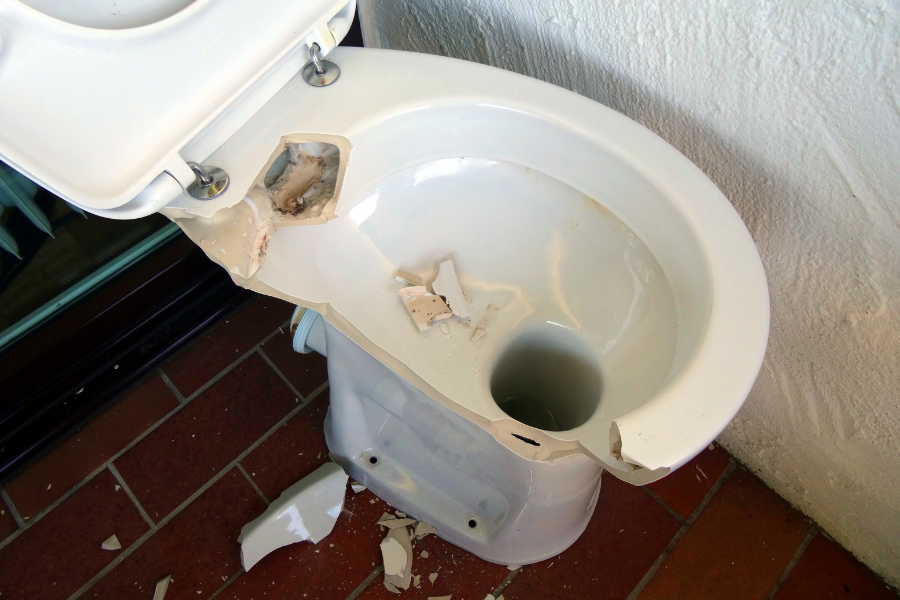
Public toilets are often unattended, exposed, and heavily used—exactly the kind of environment where vandalism, theft, and misuse can spike. The goal isn’t to make facilities feel “fortified,” but to design them so damage is harder to inflict, easier to clean up, and less costly to fix
Ambulant Toilet Requirements in New Zealand
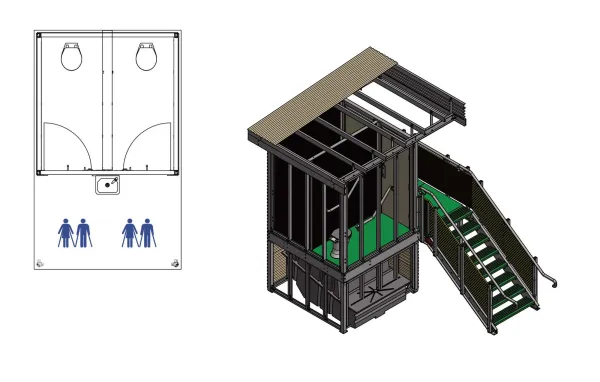
Ambulant and accessible toilets are not the same thing. An accessible WC is a larger room (for wheelchair users and others who need turning/transfer space). An ambulant WC is a standard-sized cubicle fitted with supports and clearances for people who are mobile but need assistance
Accessible Toilet Buildings for Aotearoa
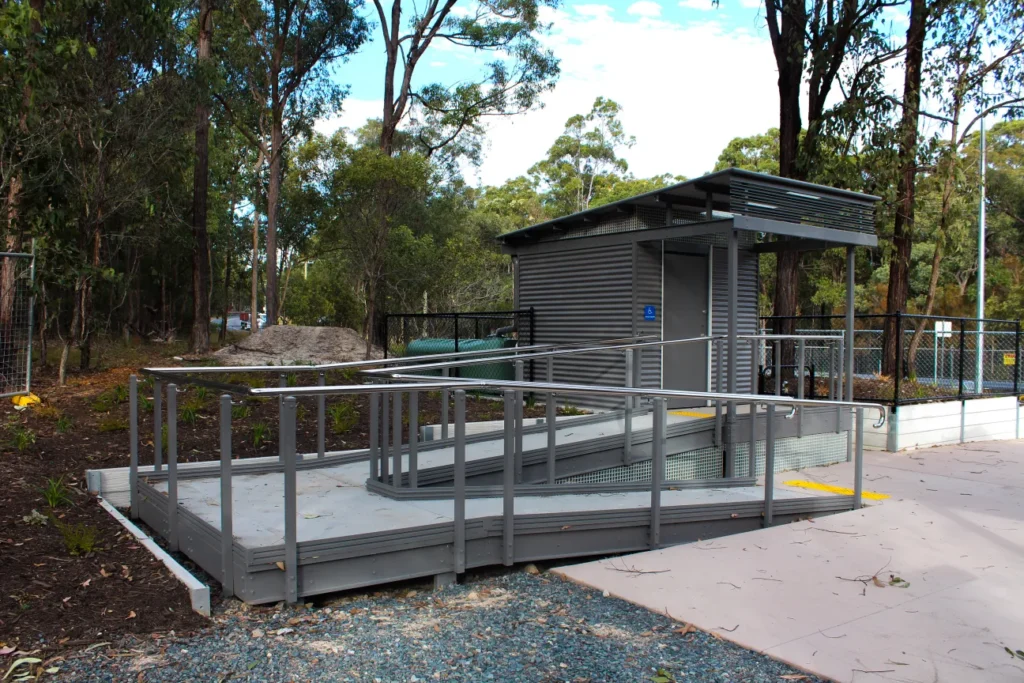
Creating truly inclusive public places in New Zealand means providing facilities everyone can use—confidently and safely. LooCube™ accessible toilet buildings are purpose-designed for councils, schools, transport authorities, and tourism operators
Accessible vs Ambulant Toilets in New Zealand: What’s the Actual Difference?
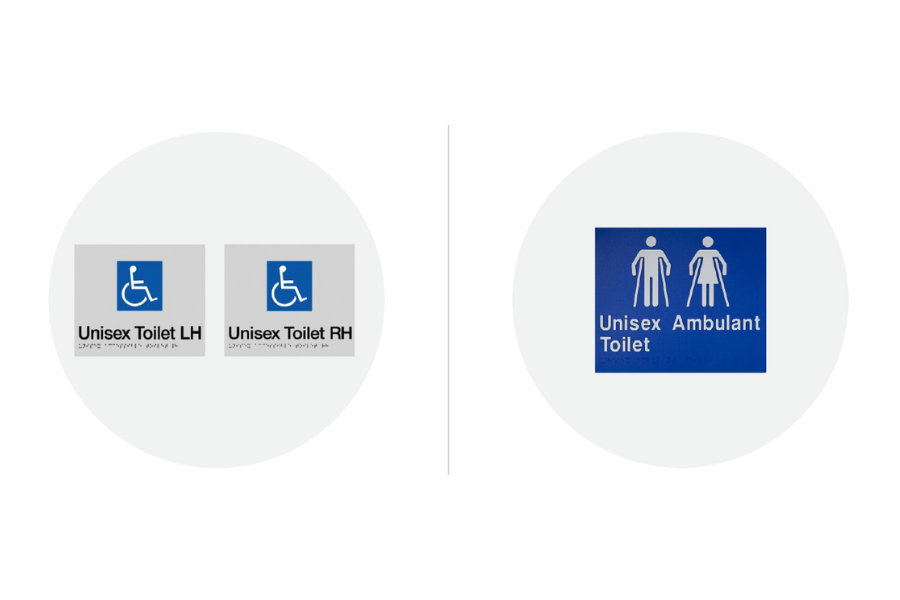
Not all “accessible” symbols mean the same thing. In New Zealand, facilities typically provide two distinct solutions for mobility needs: a fully accessible toilet (wheelchair-accessible room) and an ambulant toilet (standard-sized cubicle with supports for users who can walk but need stability)